

Clearer behaviour, safer next steps
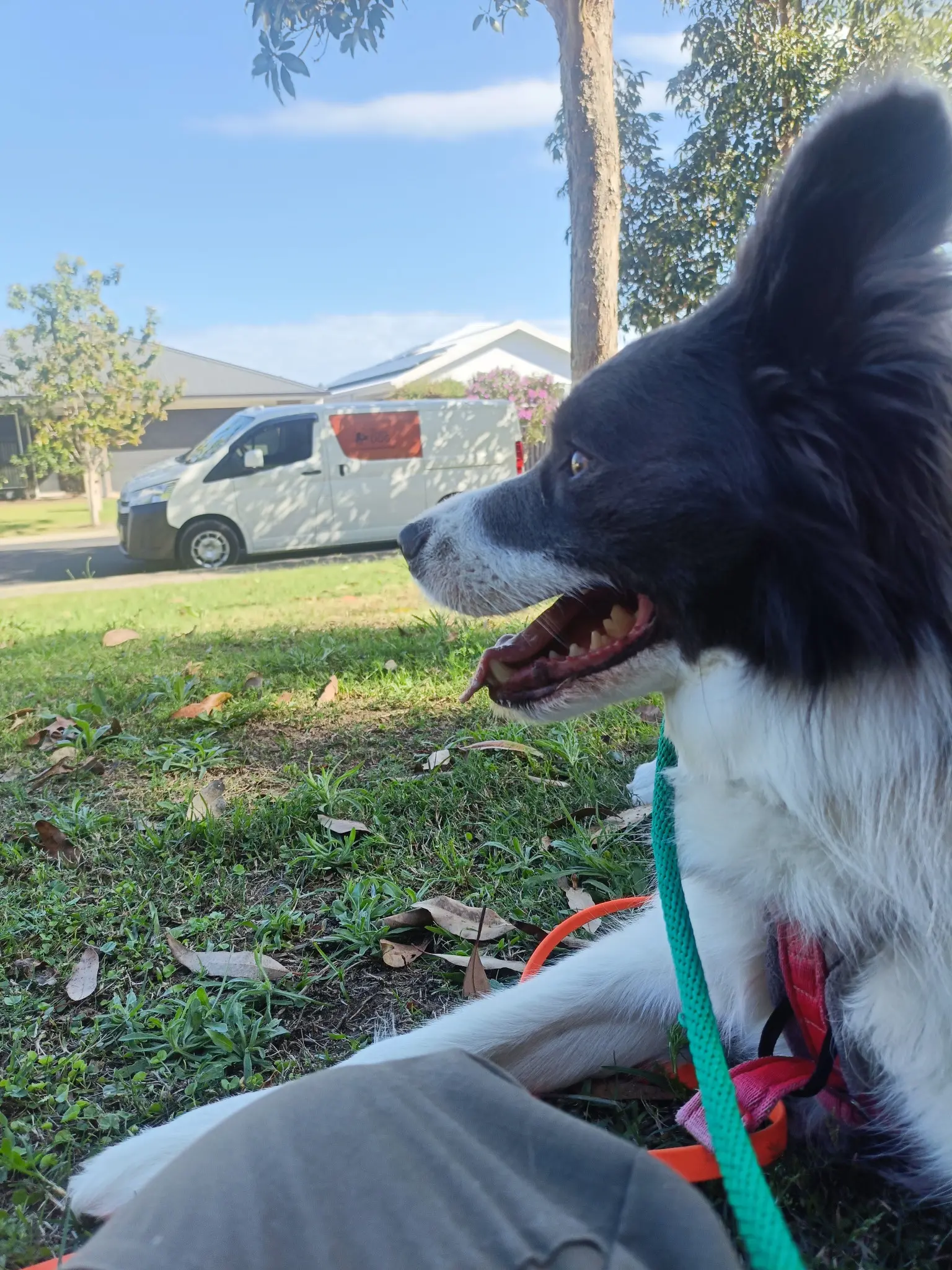
Managing a reactive dog while waiting for training is not “doing nothing.” Good management prevents the dog from repeatedly rehearsing reactive behaviour and reduces the overall pressure they are carrying.
The immediate priority is to stop placing the dog in situations where they repeatedly react, while still meeting their needs through appropriate exercise, enrichment and everyday activity.
Management is productive
Dogs become better at behaviours they practise. Each repeated episode of barking, lunging or snapping can strengthen that response, especially when it successfully creates distance from the trigger.
Reducing exposure is not giving up. It gives the dog fewer opportunities to rehearse the behaviour while you prepare a clearer training plan. Read Behaviours Rehearsed Are Reinforced for more on why repetition matters.
Should you stop walking your reactive dog?
If every walk predictably causes reactions, temporarily stopping conventional walks may be the safest and most productive choice. Where possible, replace them with quieter outings at less busy times or in locations with more space.
Home-based sniffing, enrichment and short training sessions can also help meet the dog’s needs. These activities are valuable for all dogs, not only reactive dogs.
Safety and quality of life matter more than maintaining a conventional walking routine that repeatedly overwhelms the dog.
Choose equipment for the individual dog
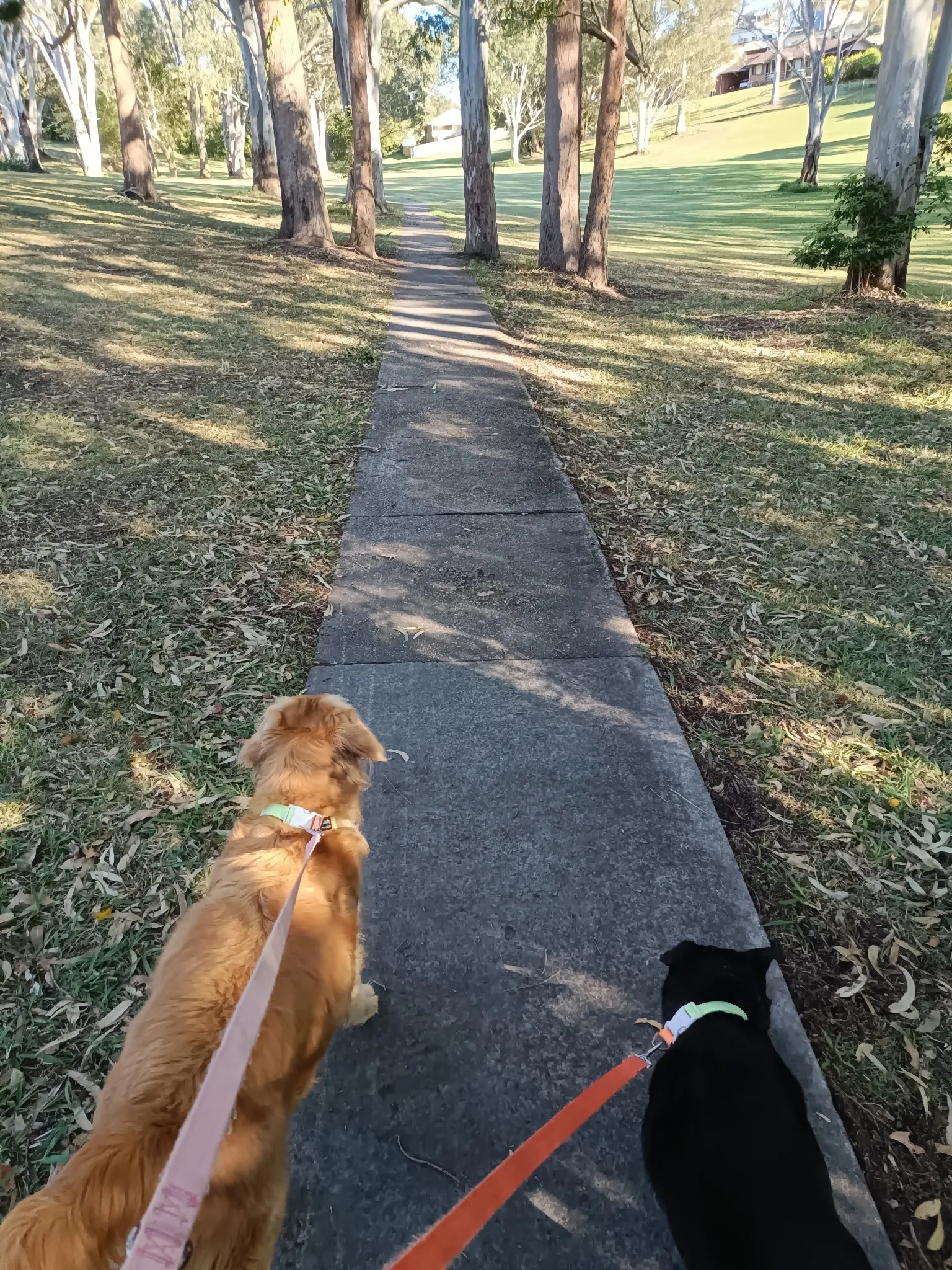
There is no single equipment setup that suits every dog and handler. A strong standard lead is often more predictable than a retractable lead. Where bite risk is a concern, a properly conditioned basket muzzle may form part of the safety plan.
Equipment should be selected for the individual dog, handler and environment. A muzzle should be introduced through training rather than simply placed on the dog immediately before a difficult situation.
What should you do when a trigger appears?
Use familiar, predictable behaviours to help the dog move away. Key loose-leash walking skills can allow you to change direction without adding unnecessary lead tension or conflict.
The exact response will depend on the environment, but the objective remains the same: create distance and keep everyone safe before the dog becomes overwhelmed.
Can you use food around triggers?
Yes. Food can reinforce the dog for noticing and disengaging before reacting. It can also support familiar behaviours and movement away from the trigger.
This is not simply distracting the dog. Used within a clear training system, reinforcement provides information about the behaviour that worked and helps build a more useful response.
What should you avoid?
- Repeatedly exposing the dog to triggers to make them “get used to it”
- Forcing greetings or allowing unfamiliar dogs to approach
- Punishing fear
- Testing the dog to see whether they have improved
- Creating incidents so you can record or demonstrate the behaviour
Telling a frightened or overwhelmed dog “it’s okay” does not make the situation feel safe. Change requires more than reassurance in human language. The dog needs appropriate distance, clear communication and predictable behaviours they understand.
Should you document the behaviour?
Do not create or repeat triggering situations simply to collect information. Preventing further rehearsal is more important.
If an incident occurs naturally, make brief notes about what happened, where and when. This can help identify patterns without deliberately placing the dog back into difficulty.
What training can you start?
Building engagement and responsiveness can be useful while you wait. However, avoid assembling random online exercises without a coherent training system.
Individual tips may be useful, but they need to fit into clear communication. Mixing disconnected techniques can create inconsistent information for the dog and make it harder for the guardian to know what to do next.
When is an urgent safety plan needed?
Treat the situation urgently when:
- The dog has bitten or attempted to bite
- You cannot reliably prevent access to the trigger
- Children, vulnerable people or other animals may be at risk
Use physical separation and appropriate management while seeking individual professional support. Do not rely on verbal instructions alone where safety is at risk.